
Preparing Your Home for Fall and Winter in Asheville: From Leaf Cleanup to a Ready Mudroom
Fall Prep Isn't Just Yard Work. It's a Whole-Home Reset.
Somewhere around late September, Asheville starts to change. The higher elevations catch frost before the valley does, the color show hits the ridgelines first, and suddenly your yard is buried under more leaves than you remembered raking last year. It happens fast up here.
Most fall prep advice stops at the yard. Rake the leaves, clean the gutters, call it done. But a home that's actually ready for the cold weather ahead needs more than a tidy lawn. It needs a garage that isn't a summer-gear graveyard. A mudroom that can handle wet boots without turning into a swamp. Closets that swap out as easily as the weather does.
That's the version of fall prep we're talking about here. Start outside, work your way in, and end up with a home that works for the season you're actually in, not the one that just ended. Space for what matters, all the way through the house.

Your Leaf Cleanup Season Checklist
When to Start (and Why Smaller, Frequent Sessions Win)
Here's the mistake most people make with cleaning up fall leaves: waiting for all of them to fall before touching a rake. In Asheville, where trees drop at different times depending on elevation and species, that means you could be waiting until December.
A better approach is to break leaf cleanup season into smaller sessions, roughly once a week starting in early-to-mid October. It's less overwhelming, it keeps your lawn from getting smothered under a wet, matted layer, and honestly, it's just easier on your back. A lightweight rake with flexible tines does the job for most yards. If you've got a big property or a lot of mature trees, a leaf blower or a mulching mower attachment will save you real time.
One thing worth knowing before you start leaf clean up mode for the season: wet leaves are a different beast than dry ones. If a big rain rolls through (and in Asheville, it will), give the leaves a day or two to dry before you tackle them. Wet, matted leaves are heavier, harder to bag, and more likely to leave bare patches in your lawn.
What to Do With the Leaves
Once the leaves are piled up, what happens next depends on where you live.
If you're inside Asheville city limits, the city collects bagged leaves as part of its curbside brush collection. Leaves need to go in paper yard waste bags or a reusable container labeled "brush," not plastic (plastic bags have been banned for yard waste since 2023). Set them out by 7 a.m. on the Monday of your scheduled collection week. Your exact week can shift, so it's worth checking your address through the city's AVL Collects tool before you haul everything to the curb.
If you're outside city limits in Buncombe County, there's no curbside yard waste pickup. Leaves and brush need to be dropped off directly at the Buncombe County Landfill on Panther Branch Road in Alexander. Bagged leaves run about a dollar for every two bags, which is a pretty small price for a clean yard.

Don't Skip the Gutters
While you're already out there with a ladder or a leaf blower in hand, take a pass at your gutters too. Leaves clog downspouts fast, and clogged gutters in a mountain winter mean ice dams, which mean water finding its way somewhere it shouldn't. It doesn't need to be its own project. Just fold it into the same afternoon as your leaf cleanup.
Winterize the Yard and Garage
Storing Lawn Equipment the Right Way
Once the mower's done for the season, don't just roll it into a corner and forget about it. Run it low on gas or drain the tank, give it a quick clean, and store it somewhere dry. The same goes for hoses, trimmers, and anything else that's spent the summer working hard in your yard.
This is also a good moment to ask whether your garage is actually set up to hold all of it. If you're digging past three seasons of forgotten gear just to find a rake, a custom garage storage system can turn that chaos into something you can actually navigate. Shelving, wall-mounted hooks, and labeled bins mean next fall's cleanup starts a lot easier than this one did.
Making Room for Winter Tools
While the summer stuff is getting tucked away, pull your winter tools out of hiding. Snow shovels, ice melt, and anything else you'll need on short notice should live somewhere easy to grab, not buried behind the lawn mower. Nothing ruins a surprise ice morning like realizing your shovel is trapped behind a wall of patio furniture.
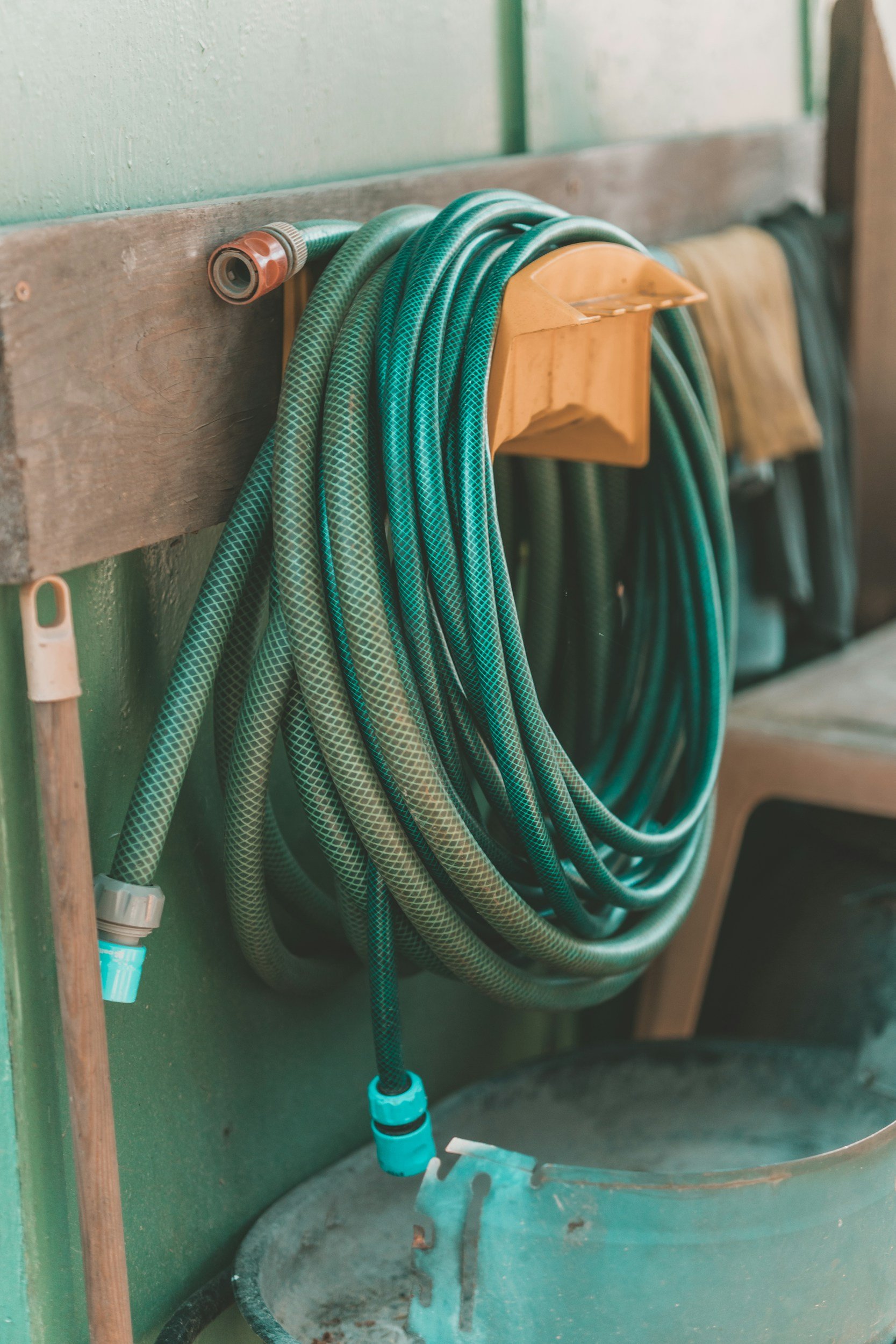
Don’t Skip Your Outdoor Faucet & Hose Check!
One more quick task before the cold really sets in: disconnect your hoses, drain them, and shut off water to any outdoor faucets that aren't freeze-proof. It takes ten minutes and it's a lot cheaper than dealing with a burst pipe in January.
Bring the Reset Inside: The Mudroom and Closets
Swapping Out Summer Gear for Coats, Boots & Layers
Your mudroom doesn't need to hold every season's gear at once. Sandals, beach towels, and pool bags can move somewhere else entirely while they wait out the winter. An attic, a spare closet, or a labeled bin on a garage shelf all work. If you're storing anything fabric-based long term, an air-tight bin keeps it fresh and takes up less room than you'd think.
What should replace it? Coats, boots, hats, gloves. The stuff you'll actually reach for on a 34-degree morning.
Creating a Landing Zone for Wet Boots and Umbrellas
Winter in Asheville means mud, slush, and the occasional surprise ice or snow storm, and all of it ends up tracked through your mudroom if there's nowhere for it to stop first. A dedicated spot for wet boots and dripping umbrellas (a boot tray, a rack near the door, whatever fits your space) keeps the mess contained to one corner instead of your whole entryway. If mornings already feel like a scramble in your house, our guide to mudroom floor plans for families breaks down how to design a drop zone that actually works for your household, not just this season.
Organizing Closets for the Seasonal Swap
This is the part most fall prep advice skips entirely, and it's honestly where the biggest difference gets made. Swapping a closet from summer to winter shouldn't mean wrestling with an overstuffed rod and a pile of things that don't fit anymore. A custom closet system built for seasonal rotation gives every piece a place, whether that's dedicated shelving for out-of-season clothes, drawer space for bulkier winter layers, or simply enough room that you're not fighting the door shut every morning.
A closet that adjusts with the seasons isn't a luxury. It's what makes a home feel lived in well, instead of just lived in.
Your Fall and Winter Prep Checklist, All in One Place
Start leaf cleanup in smaller weekly sessions, not one big fall push
Bag leaves in paper or reusable containers (no plastic) and check your Asheville collection week, or plan a Buncombe County Landfill drop-off if you're outside city limits
Clear your gutters while you're already outside
Drain and store lawn equipment properly before it sits all winter
Move winter tools somewhere easy to reach
Disconnect hoses and shut off outdoor faucets
Relocate summer mudroom gear somewhere out of the way
Set up a landing zone for wet boots and umbrellas
Swap your closet over for the season, with real storage behind it
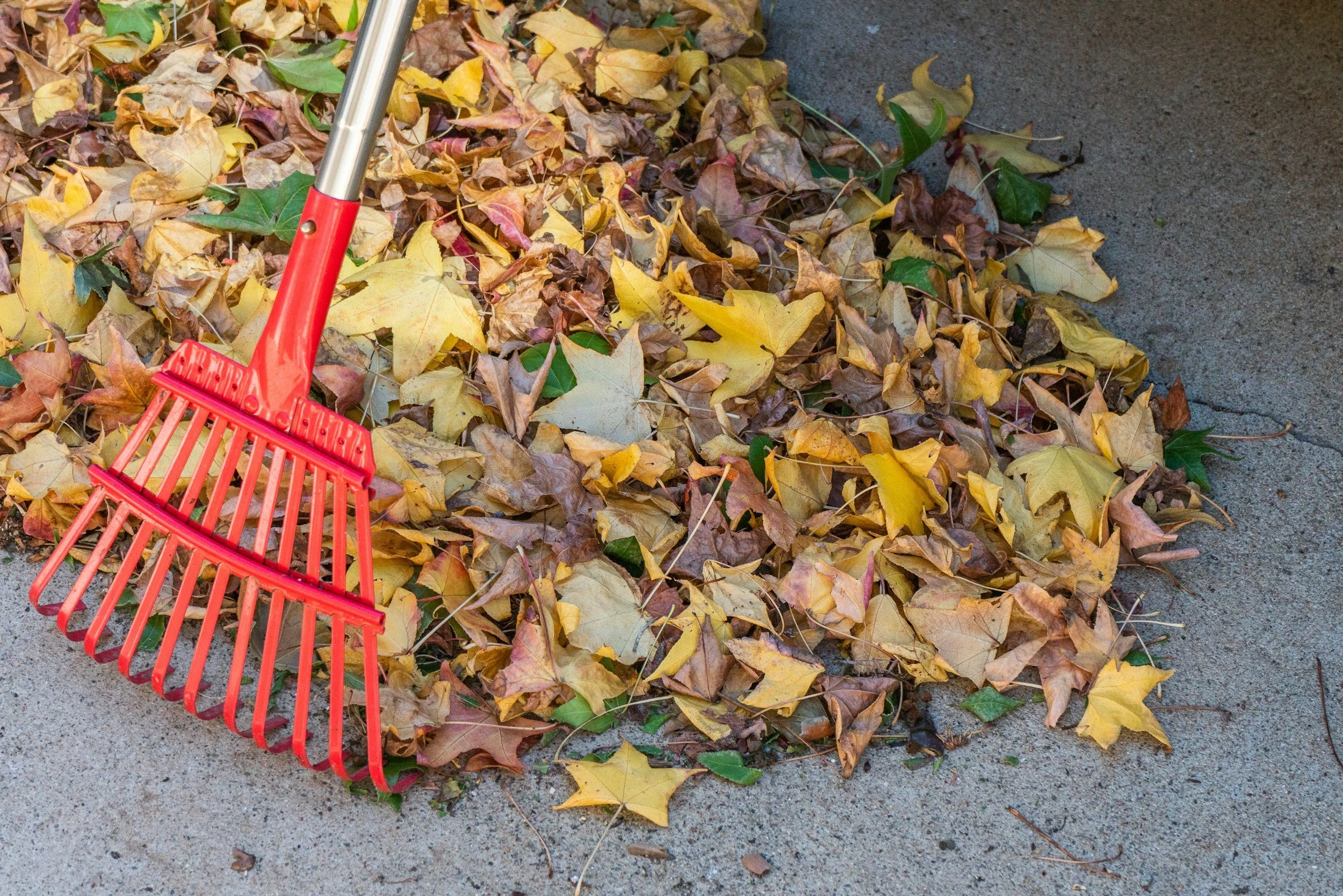
Let More Space Place Help You Get Ready for Leaf Season
A home that's ready for fall and winter isn't just about what's happening outside. It's a garage you can actually park in, a mudroom that keeps the mess contained, and a closet that makes getting dressed on a cold morning feel easy instead of annoying.
That's what we build. Space for what matters, in every room that needs it.